
Professional Wood Fence Installation
A well-built wood fence adds privacy, security, and a natural look to your property. Hodel Fencing installs custom wood fences using quality materials and proven installation methods for a sturdy, long-lasting result.
Get In Touch Today
Contact Us
We will get back to you as soon as possible.
Please try again later.
Why Choose a Wood Fence?
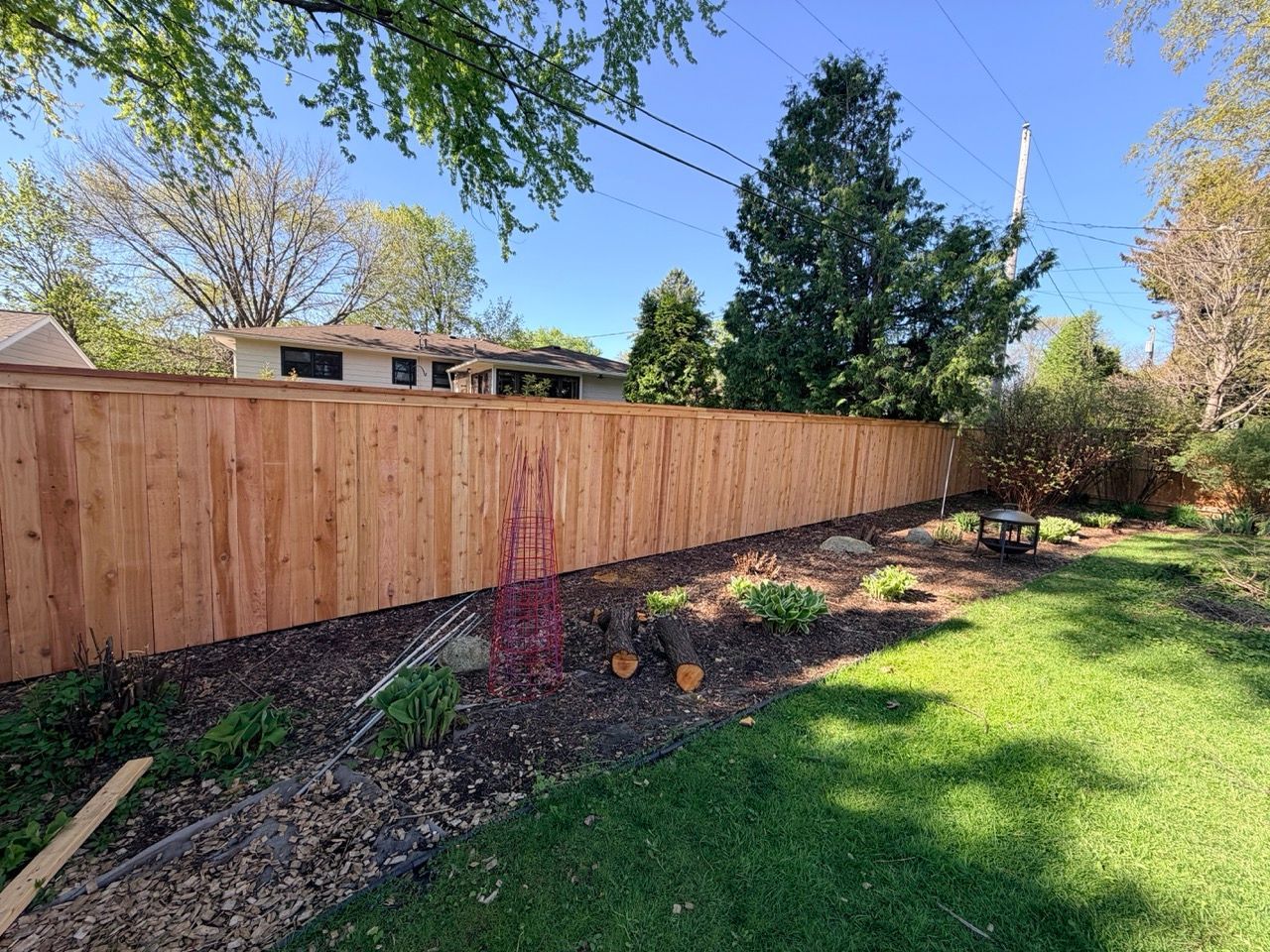
Quality Craftsmanship You Can Trust
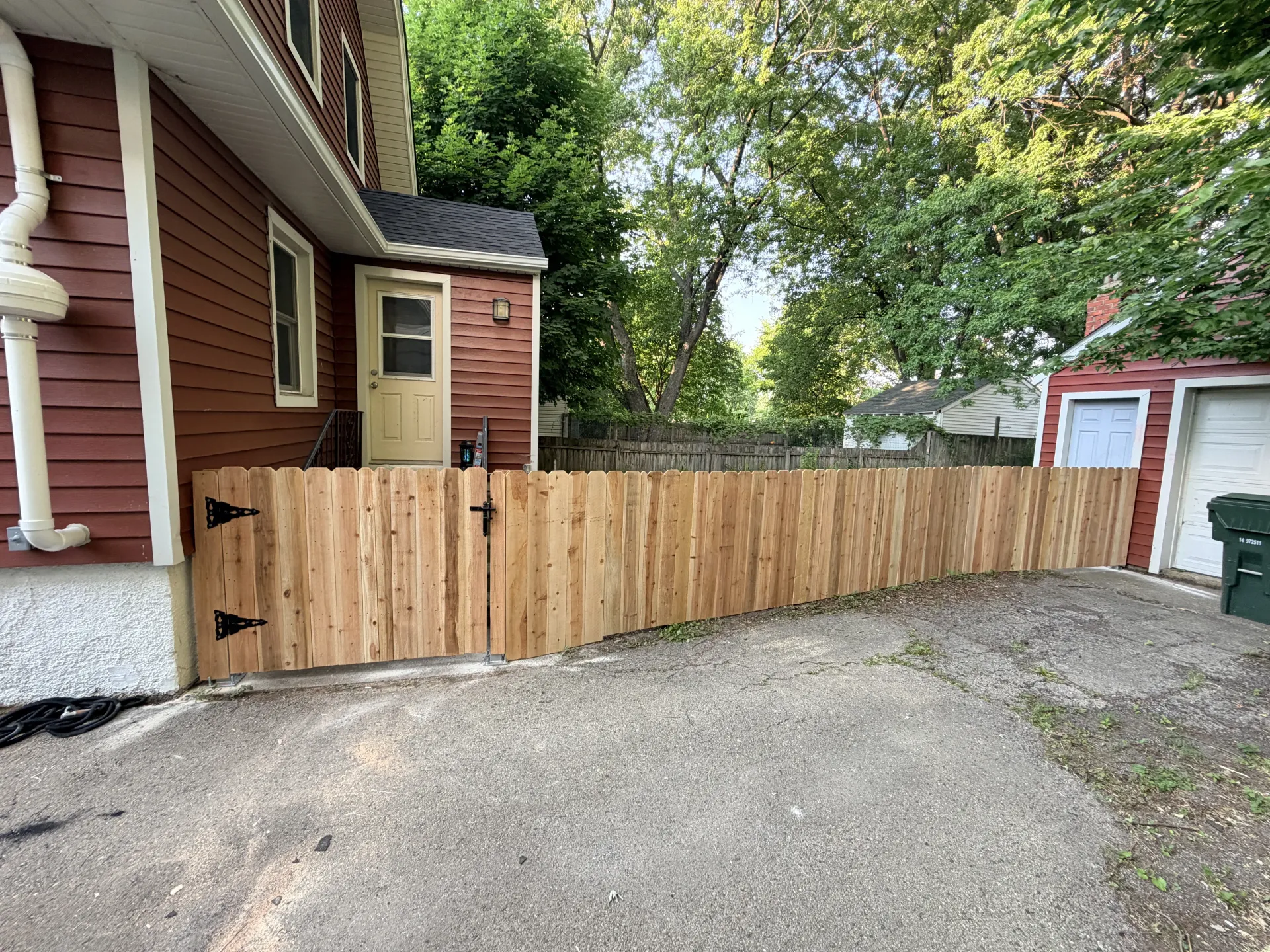
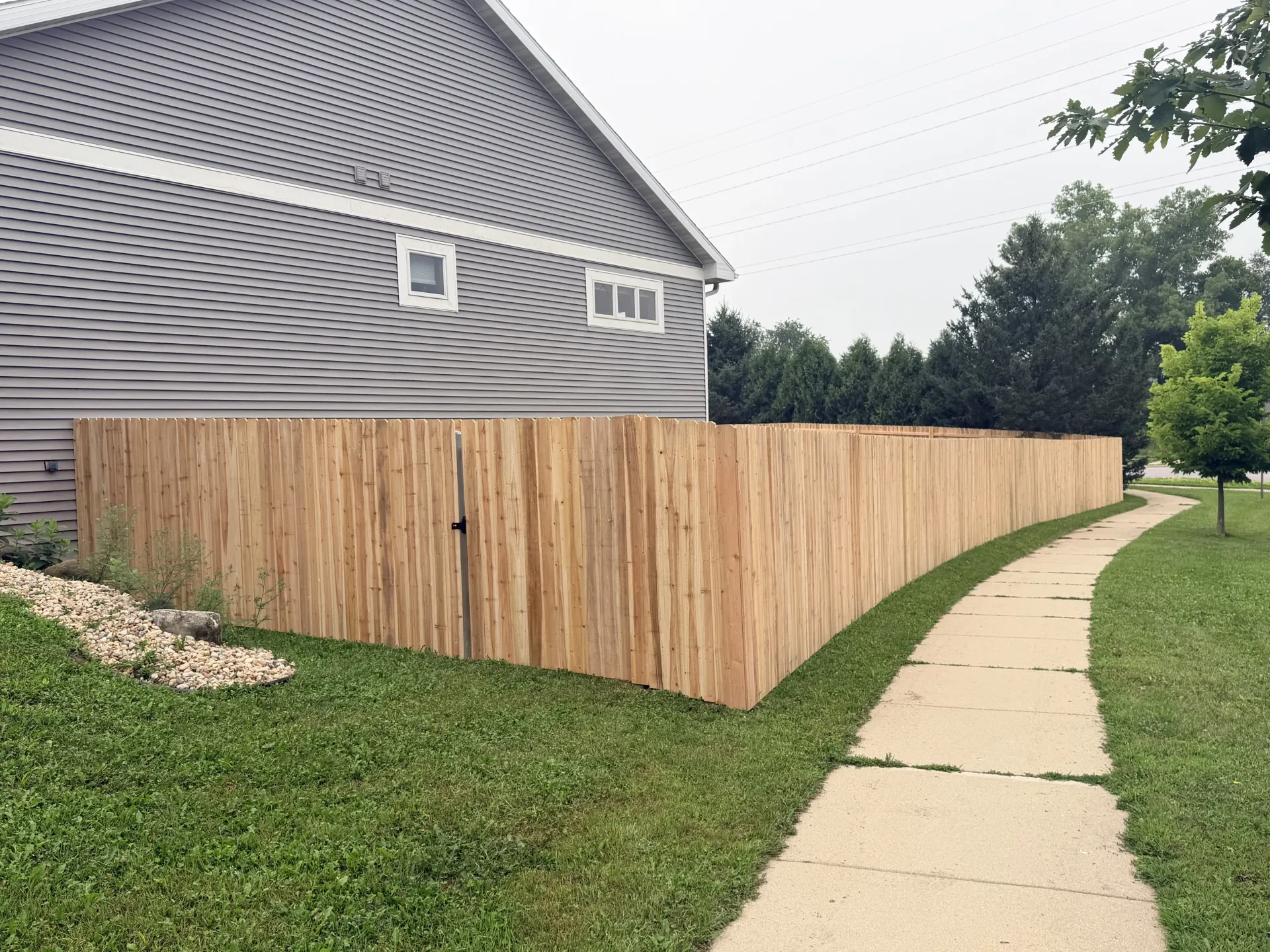
At Hodel Fencing, we believe a wood fence should be built right from the start. We hand-build each fence rather than installing premade panels, allowing us to follow the grade of your property, maintain clean lines, and create a finished fence that fits your yard.
We also build beyond common installation standards where it makes sense. For a typical 6-foot fence, we use 9-foot steel posts instead of the standard 8-foot posts. On a 5-foot cedar fence, we use three rails instead of two. These upgrades don't add much to the material cost, so we include them as part of our normal installation rather than charging you extra.
The Benefits of Wood Fence Installation
Wood remains a popular fencing option because it offers privacy, versatility, and a timeless appearance that works well with many different homes and properties.
- Privacy and Security: A wood privacy fence creates a defined boundary and helps provide a more private, secure backyard.
- Built for Your Property: Because we build our fences on-site rather than relying on premade panels, we can better accommodate the grade and layout of your yard.
- Natural Appearance: Cedar provides the warmth and character many homeowners want from a residential fence.
- Strong Construction: Longer steel posts and additional rails help us build a stronger, more stable fence designed for long-term use.
Whether you need a fence to keep your dog in the yard, give your children a safer place to play, add privacy, or simply define your property, we'll help you determine what makes the most sense for your needs and budget.
Join 200+ Of Homeowners Who Chose Hodel Fencing
Our Wood Fence Installation Process
A good experience starts before we ever install the first post. When you contact Hodel Fencing, we respond quickly and schedule an on-site estimate as soon as your schedule allows. We'll walk the property with you, listen to what you need from your fence, and explain your options without trying to sell you something you don't need.
In most cases, we'll give you your price while we're still at your property. Once you're ready to move forward, your deposit secures your place on our schedule. We also handle Diggers Hotline and any required permits, taking another step off your plate.
When installation begins, our crew builds your wood fence on-site rather than using premade panels. We use quality materials, longer steel posts, and additional rails where appropriate to create a fence we're comfortable putting our name on.
Most fence installations are completed in one day, with some larger or more involved projects taking two days. Scheduling can vary throughout the year, but we typically aim to begin projects within about two weeks.
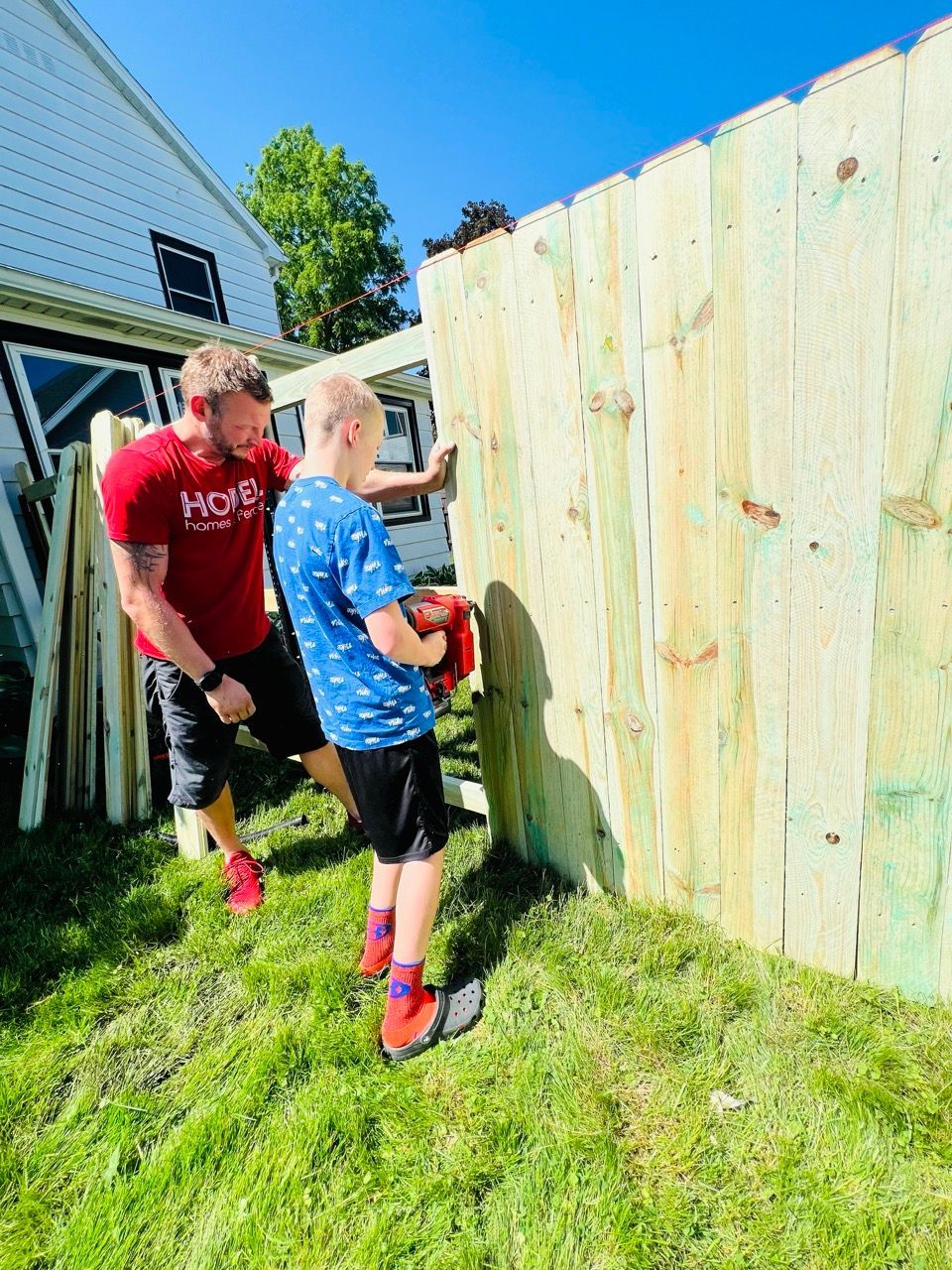
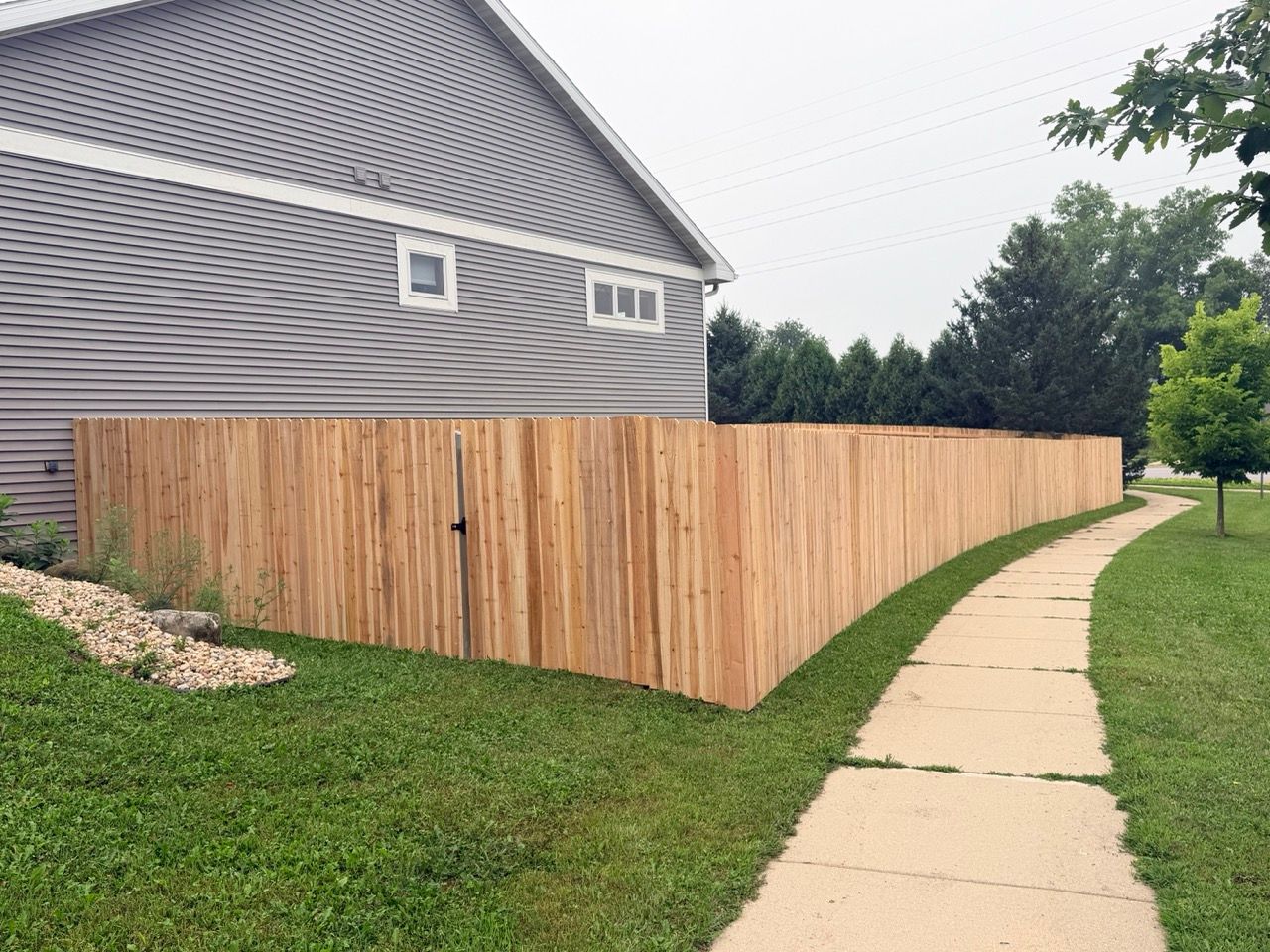
See Our High-quality CraftsManship
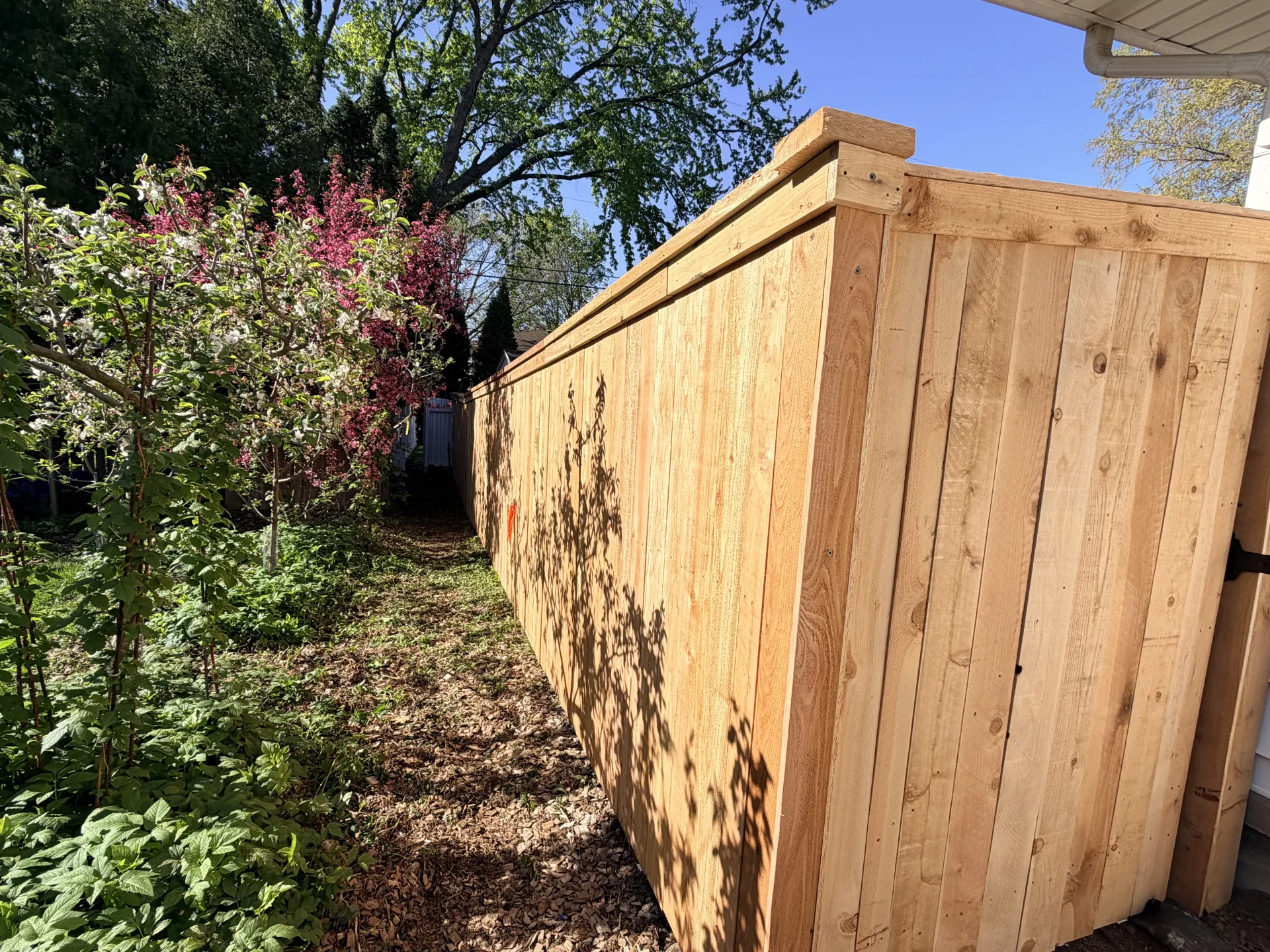
What Property Owners Usually Ask
Wood fencing questions often focus on material longevity and maintenance requirements in Wisconsin's variable climate.
What type of wood holds up best in Dane County conditions?
Cedar is one of the best choices for a long-lasting wood fence. It naturally resists moisture, decay, and insects while maintaining its strength and appearance over time. At Hodel Fence, we use cedar for our wood fencing rather than pressure-treated pine because of its durability, stability, and natural beauty.
How deep do posts need to go in this area?
Posts must extend at least 48 inches deep in Dane County to sit below the frost line and prevent heaving during freeze-thaw cycles.
When should I plan installation to avoid weather delays?
Spring and fall offer the best soil conditions for post setting, though installation is possible year-round when ground isn't frozen solid.
What happens if I don't stain or seal the wood?
Untreated wood will weather to gray within two years but remains structurally sound as long as posts were installed correctly and water drains properly from horizontal surfaces.
How long does a wood fence last in Wisconsin?
Properly installed wood fencing with below-frost-line posts and adequate drainage typically lasts fifteen to twenty-five years before posts need replacement, though boards may require repair sooner depending on sun exposure and moisture contact.
Hodel Fencing installs wood fencing with attention to drainage, post depth, and fastener selection that accounts for Wisconsin's climate demands. Request a site consultation to review fence line grades and soil conditions specific to your property.