
Professional Chain Link Fence Installation
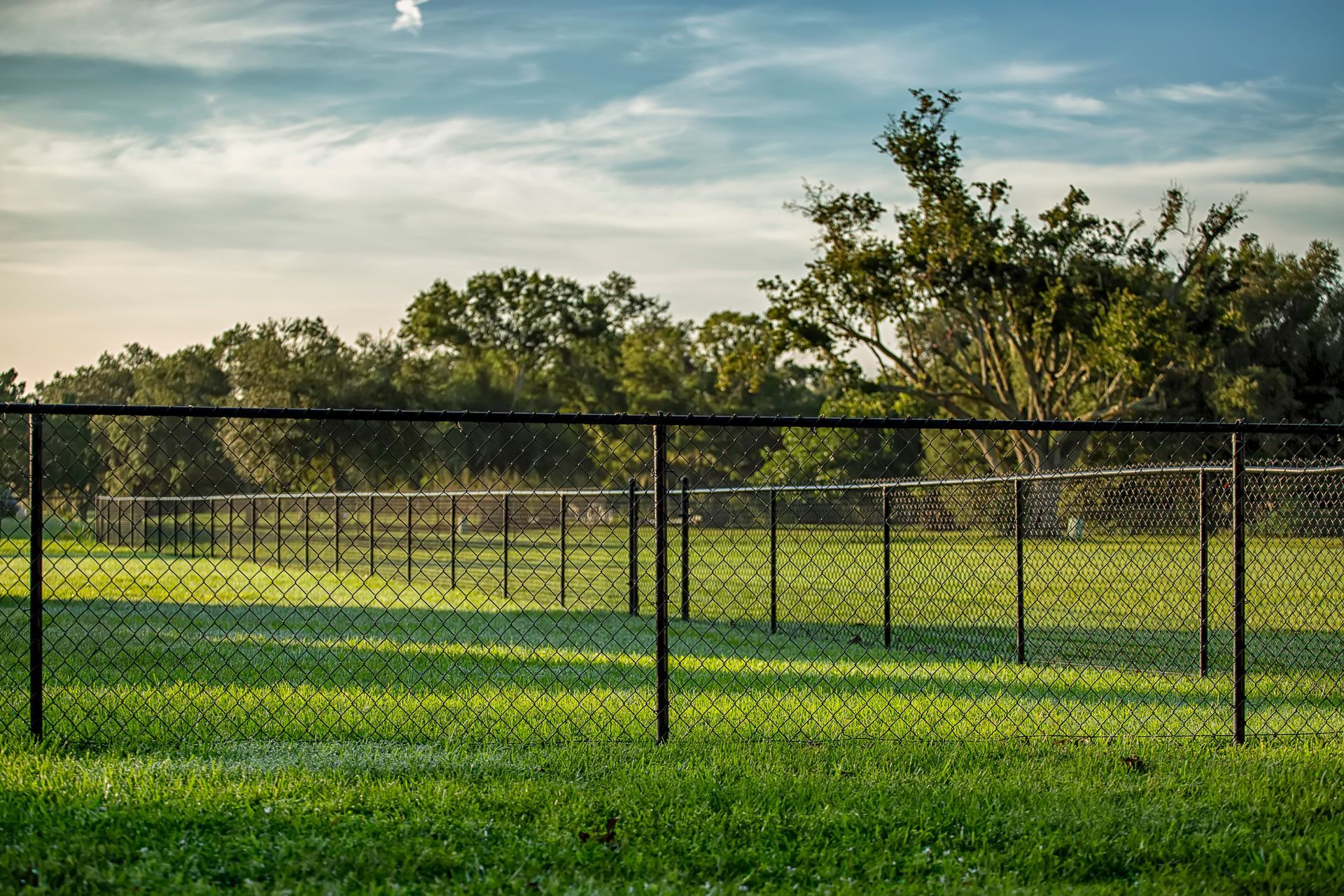
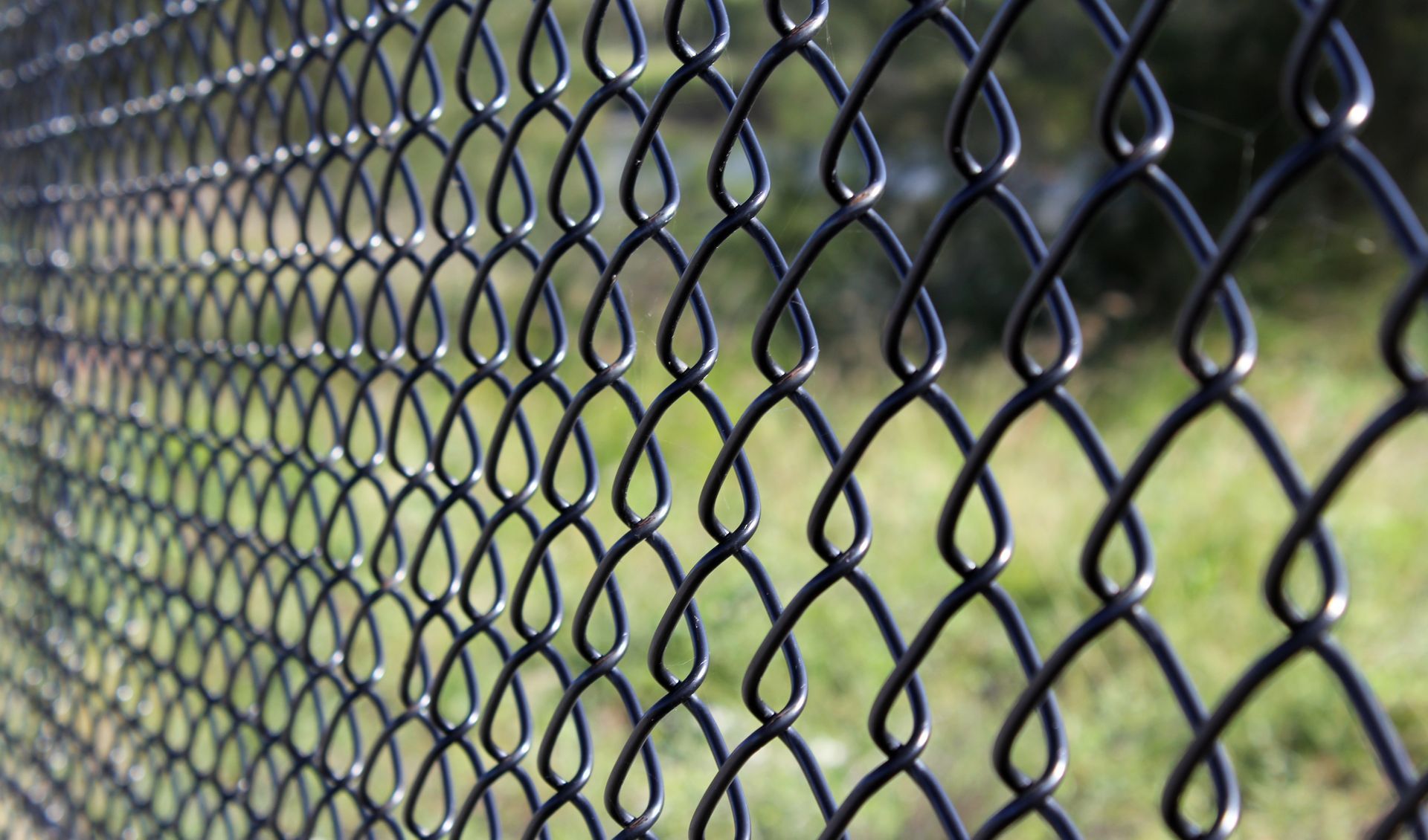
Chain link fencing is a practical, durable way to secure your property without sacrificing visibility. Hodel Fencing installs residential chain link fences using quality materials and proven installation methods for a strong, long-lasting fence at an affordable price.
Get In Touch Today
Contact Us
We will get back to you as soon as possible.
Please try again later.
Durable and Cost-Effective Fencing
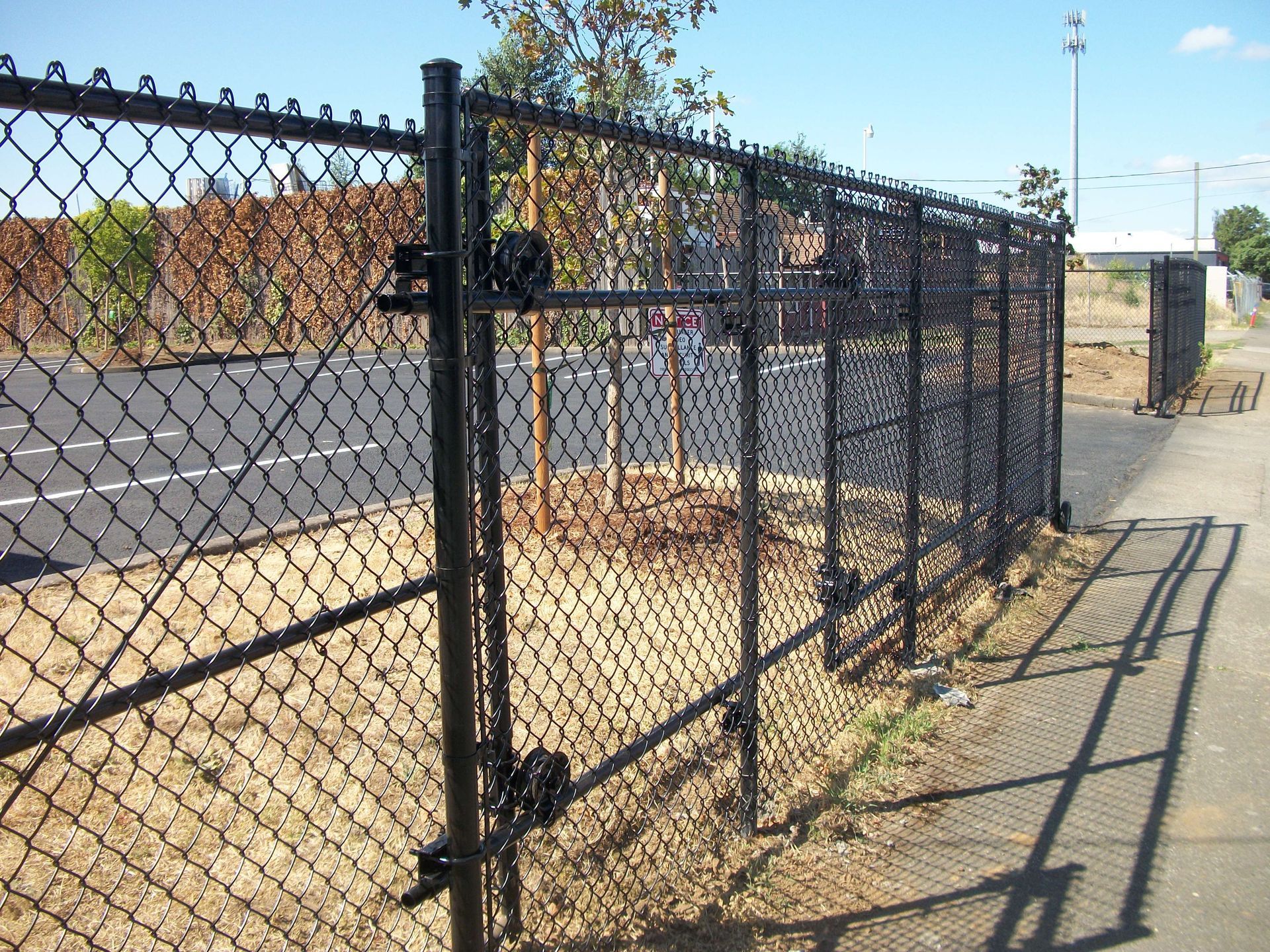
Chain link remains one of the most practical fencing options for homeowners who need security, containment, and durability without the cost of a solid privacy fence. It's especially useful for keeping dogs in the yard, creating a safer space for children, or defining a property boundary while maintaining an open view.
At Hodel Fencing, we focus just as much on how your chain link fence is installed as the material itself. Our posts are driven directly into the ground using a gas-powered post pounder, while gate posts are set in concrete for additional support where it's needed most.
The Benefits of Chain Link Fencing
- Cost-Effective: Chain link is typically one of the most affordable ways to fence a larger area.
- Durable: Quality chain link fencing provides a strong property boundary designed for years of outdoor exposure.
- Low Maintenance: Unlike wood, chain link doesn't require staining, painting, or regular sealing.
- Great for Pets: Chain link provides a secure boundary while allowing you to maintain visibility throughout your yard.
- Versatile: It works well for backyards, side yards, pet areas, property boundaries, and other residential applications.
If you're unsure whether chain link is the right choice, we'll walk your property, listen to what you're trying to accomplish, and give you a straightforward recommendation based on your needs and budget.
Join 200+ Of Homeowners Who Chose Hodel Fencing
Our Chain Link Fence Installation Process
At Hodel Fencing, the process starts by understanding why you need a fence. Whether you're trying to keep your dog in the yard, keep other animals out, create a safer space for your children, or simply establish a property boundary, we'll help determine the right layout for your property.
1. On-Site Consultation: We'll walk the property with you, listen to what you need, discuss the fence line and gates, and answer your questions.
2. Upfront Estimate: In most cases, you'll know exactly what your fence will cost before we leave your property. We provide an on-site quote approximately 95% of the time.
3. Scheduling & Preparation: Once you approve the project and submit your deposit, we'll get you onto our schedule. Hodel Fencing also handles Diggers Hotline and any required permits.
4. Professional Installation: Our crew drives the chain link posts into the ground using a gas-powered post pounder. Gate posts are set in concrete to provide additional stability where the fence sees the most movement and stress.
5. Final Walkthrough: We make sure the fence line, gates, and finished installation are completed properly before wrapping up the project.
Most installations are completed in one day, with some larger or more involved projects taking two. We typically aim to begin projects within about two weeks, depending on current scheduling and material availability.
Common Questions About This Service
Chain-link fencing raises questions about installation speed, longevity, and whether it meets specific containment or boundary needs.
How quickly can chain-link fencing be installed?
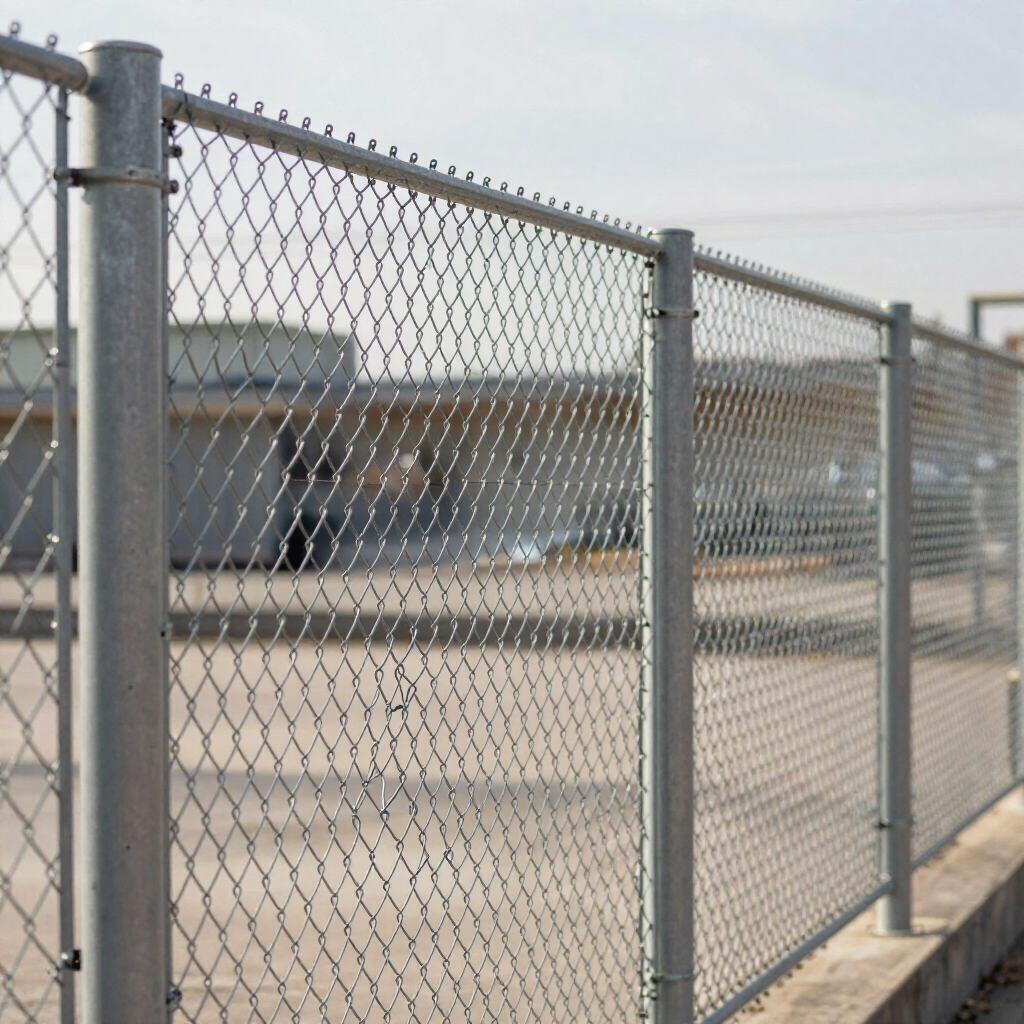
Most residential chain-link projects install in one to two days depending on linear footage and site conditions, making it the fastest perimeter fencing option when timing matters.
What height should chain-link fencing be for pet containment?
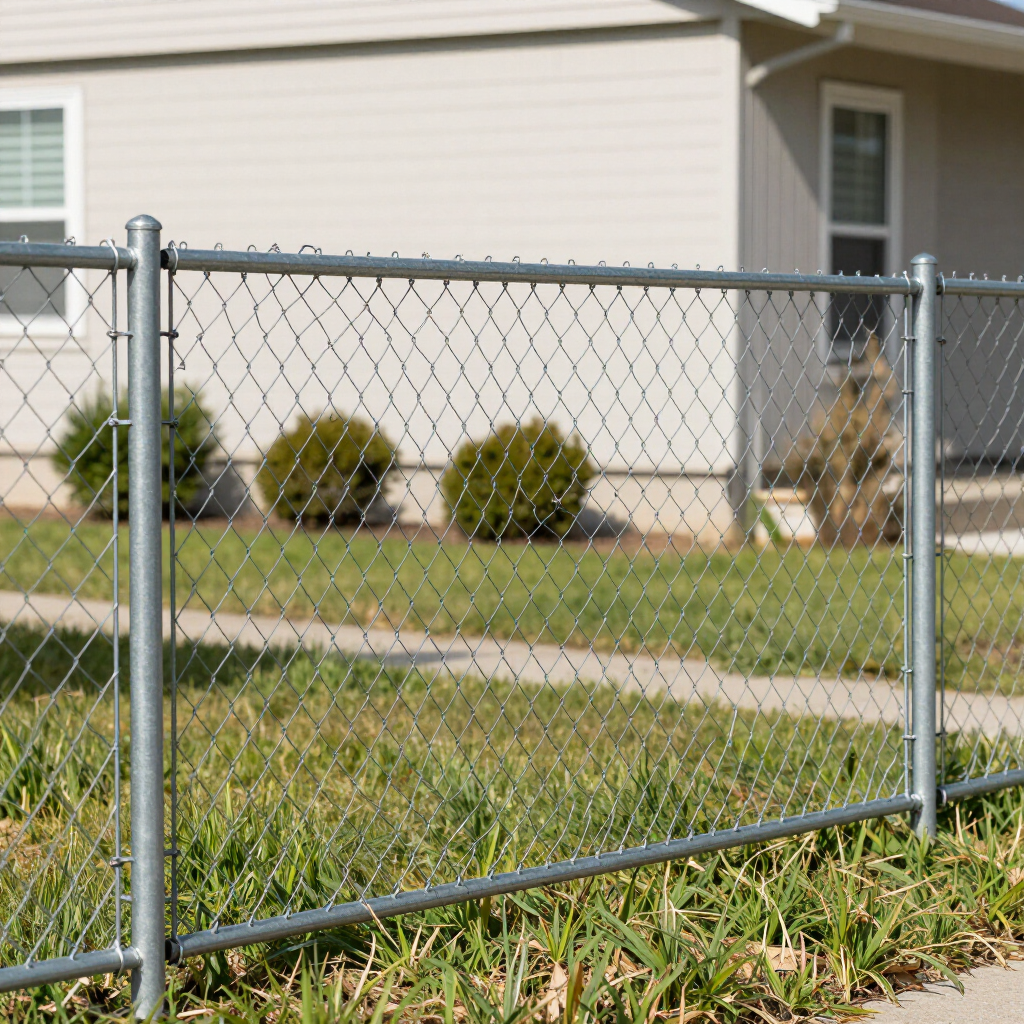
Four-foot height contains most dogs, while six-foot height prevents jumping for larger or more athletic breeds—your pet's size and behavior determine the appropriate mesh height.
Why does tension wire matter along the bottom of the fence?
Tension wire can help reinforce the bottom of a chain-link fence and reduce movement or lifting along the fence line. At Hodel Fence, we typically **do not use tension wire for residential installations** because our standard installation methods provide the stability most homes need. Tension wire is primarily used on certain **commercial fencing projects** where additional bottom-edge reinforcement may be beneficial.
How long does galvanized chain-link last in Madison?
Galvanized chain-link typically lasts 15 to 20 years before rust becomes significant, with vinyl-coated options extending that lifespan in high-moisture areas or properties with aggressive sprinkler systems.
Can chain-link fencing be installed on uneven ground?
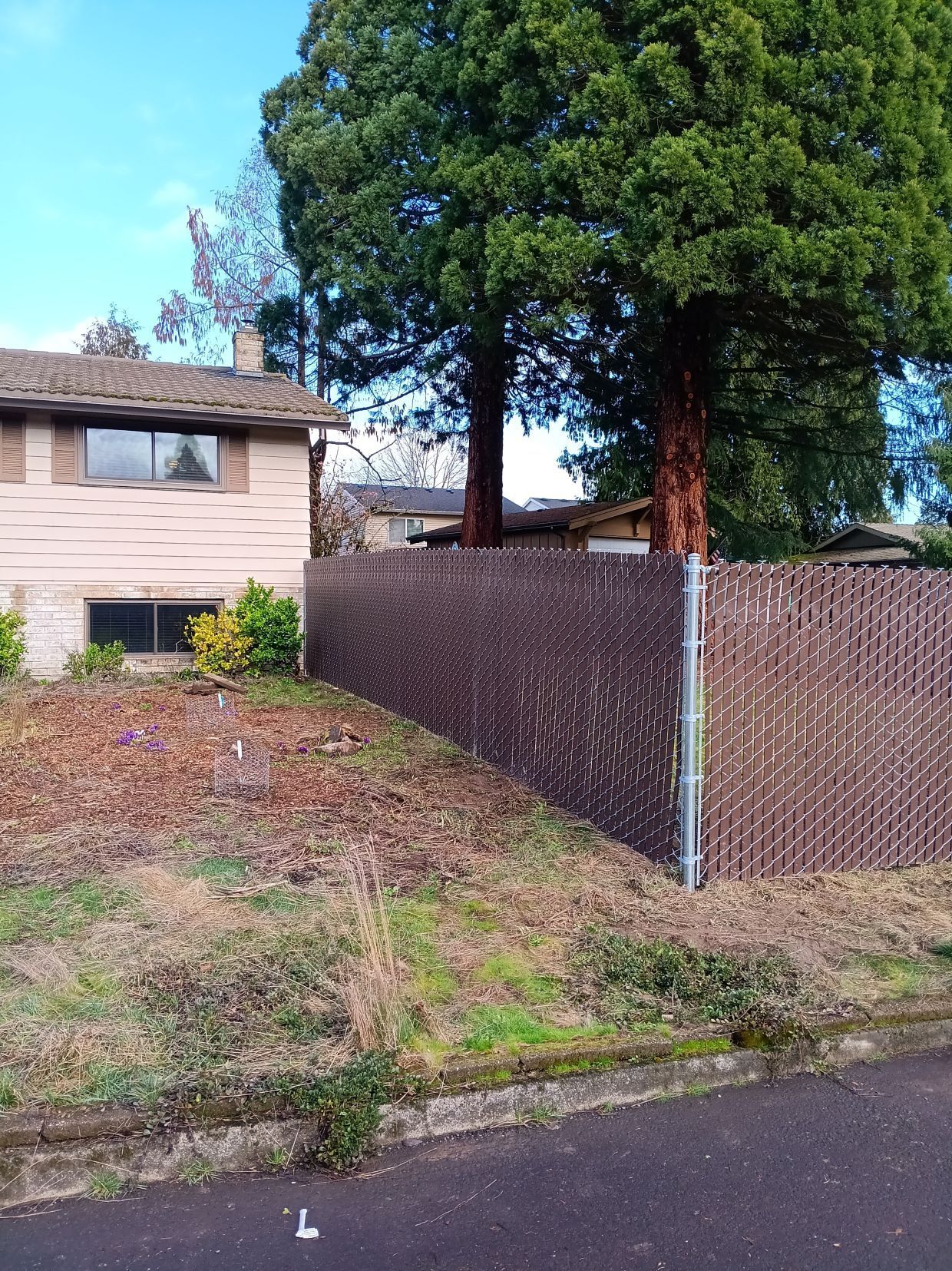
Chain-link follows grade changes more easily than panel fencing like wood or vinyl, with the mesh cut and tensioned to follow slope contours while maintaining bottom-edge contact.
Hodel Fencing is a fully insured residential contractor with five years installing perimeter fencing across the Madison metro, answering calls promptly and providing free estimates with no hidden charges. Arrange a consultation to review mesh height, gate placement, and tension wire standards for your property's specific layout and containment requirements.