
Professional Vinyl Fence Installation
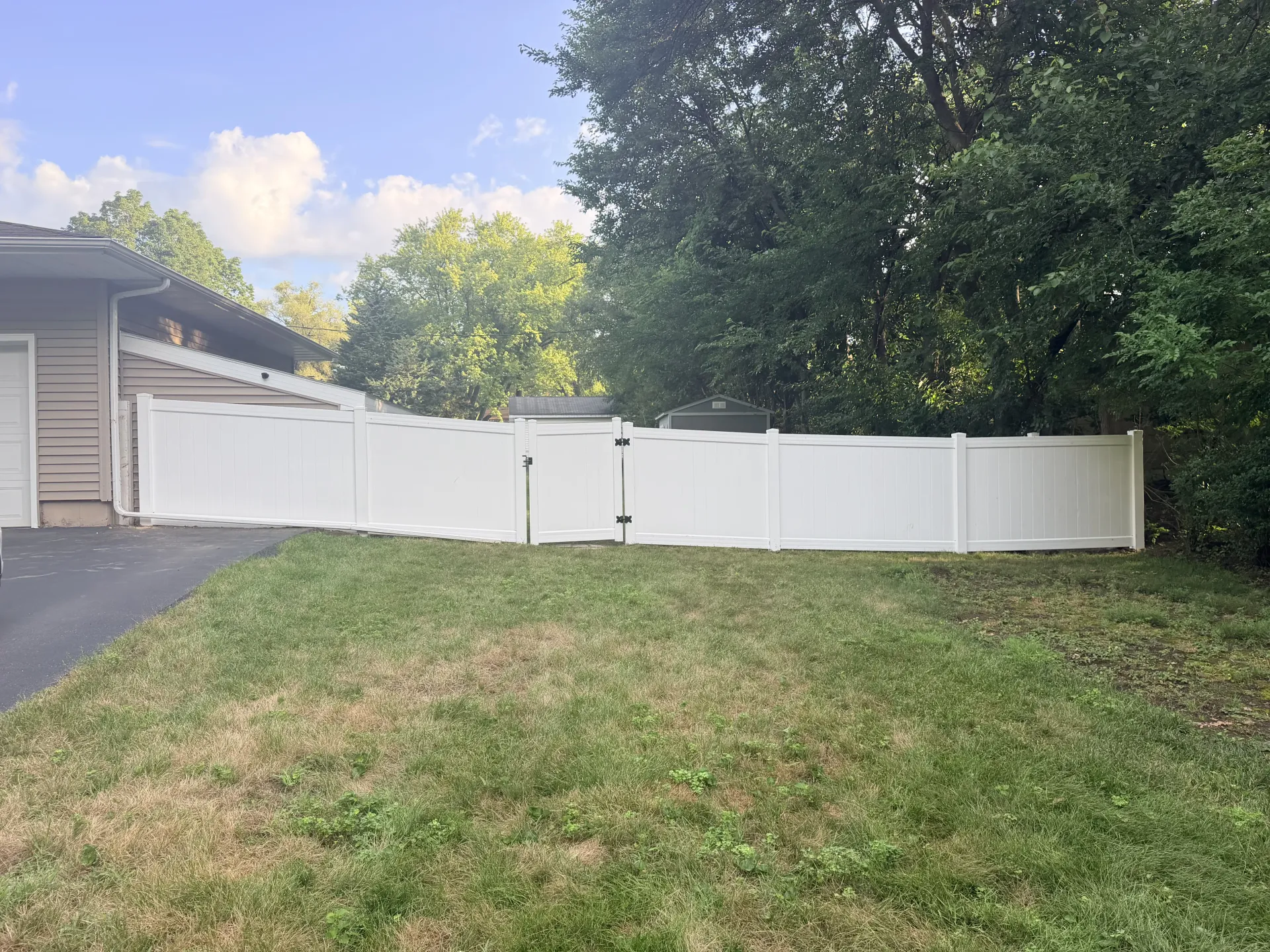
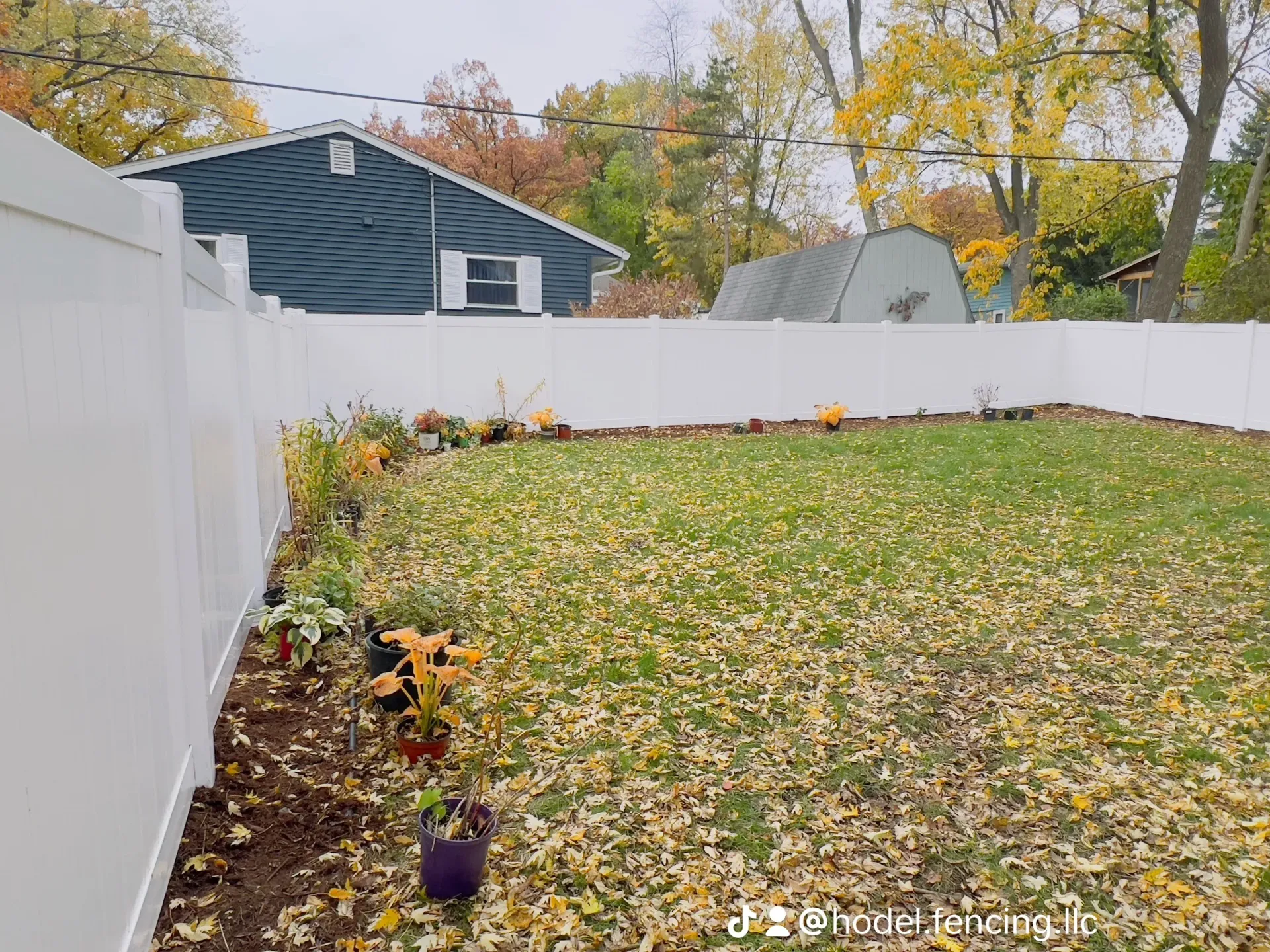
Vinyl fencing gives you privacy, clean lines, and long-lasting performance without the regular maintenance of a wood fence. Hodel Fencing installs vinyl fences using quality materials and proven installation methods designed to create a strong, attractive fence that lasts.
Get In Touch Today
Contact Us
We will get back to you as soon as possible.
Please try again later.
Why Choose a Vinyl Fence?
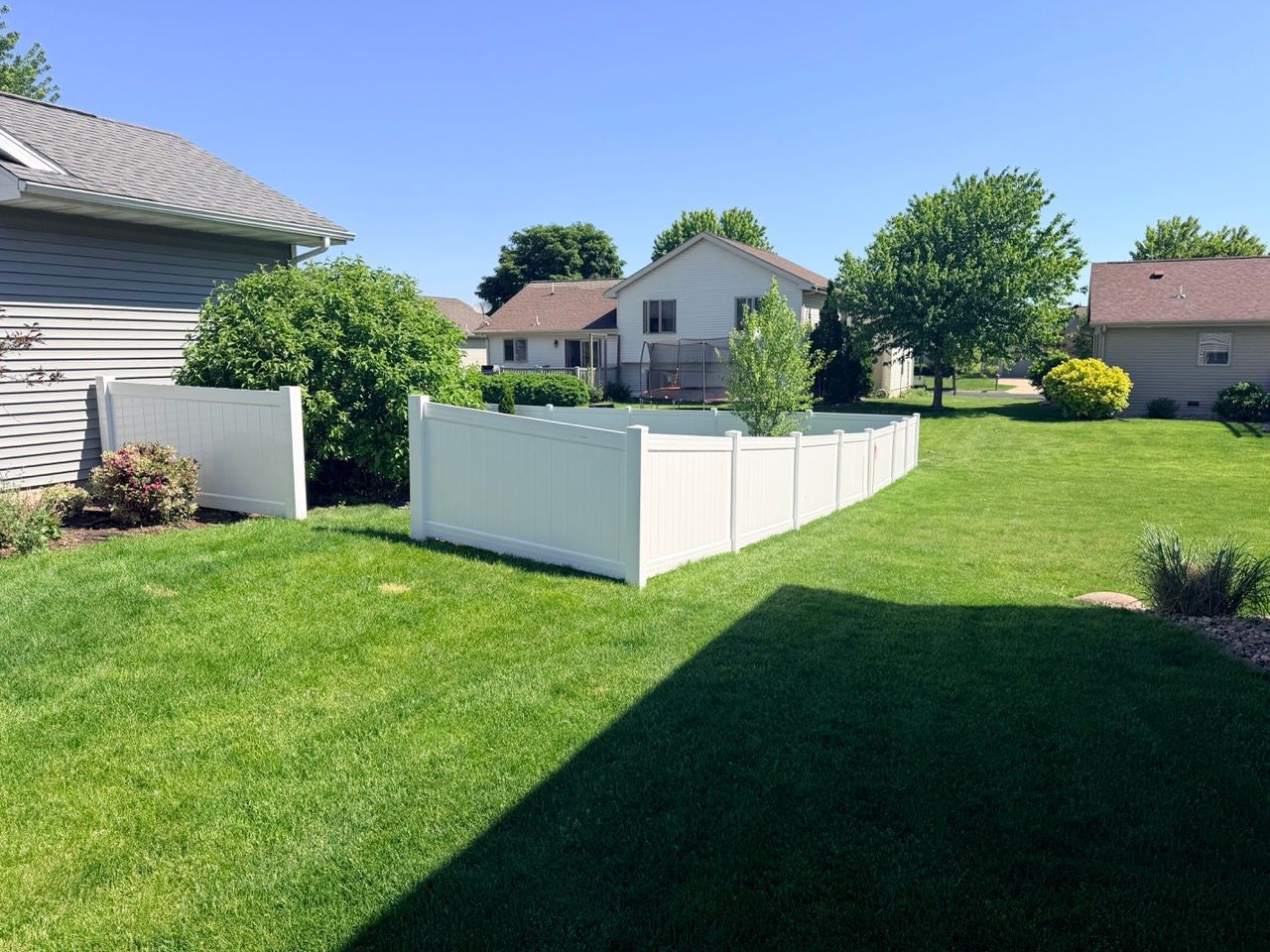
Low Maintenance Without Sacrificing Quality
Vinyl is a great option for homeowners who want the privacy of a traditional fence without staining, painting, or sealing it year after year. It won't rot or splinter like wood, and occasional cleaning is typically all that's needed to keep it looking its best.
But the material is only part of what makes a good vinyl fence. Proper post depth, alignment, spacing, and gate construction all matter. That's why we take additional steps during installation to build a fence that's sturdy from the ground up.
The Benefits of Vinyl Fence Installation
- Low Maintenance: Vinyl doesn't need to be stained, painted, or sealed, making it an easy fence to maintain.
- Privacy: Solid vinyl panels provide excellent backyard privacy and create a clean, defined property boundary.
- Clean Appearance: Vinyl provides consistent lines and a finished appearance that works well with many different styles of homes.
- Long-Lasting Material: Quality vinyl is designed to withstand years of outdoor exposure without the rot, splintering, and regular refinishing associated with wood.
- Multiple Styles: Vinyl fencing is available in different heights, colors, and configurations depending on the look and level of privacy you want.
Whether you're fencing in the backyard for your dog, creating a safer space for your children, or simply looking for more privacy, we'll help you determine whether vinyl makes sense for your property and budget..
Join 200+ Of Homeowners Who Chose Hodel Fencing
Our Vinyl Fence Installation Process
A quality vinyl fence starts with what's underneath it. For a typical 6-foot fence, Hodel Fencing drives 9-foot steel posts into the ground, rather than relying on a standard 8-foot post. We then bolt a square bracket to the steel post and slide the vinyl post over it. This creates a strong internal support while maintaining the clean appearance homeowners expect from vinyl fencing.
We also hand-build each gate rather than relying on a premade gate. This allows us to pay close attention to how the gate closes and maintain the proper reveal along the ground as the property changes in elevation.
Before installation, we'll walk your property with you, listen to what you need from your fence, and explain your options. In most cases, you'll receive your quote before we leave your property. Once you're ready to move forward, we'll handle Diggers Hotline and any required permits and get your project onto our installation schedule.
Most fence installations can be completed in one day, with some larger or more involved projects requiring two days.
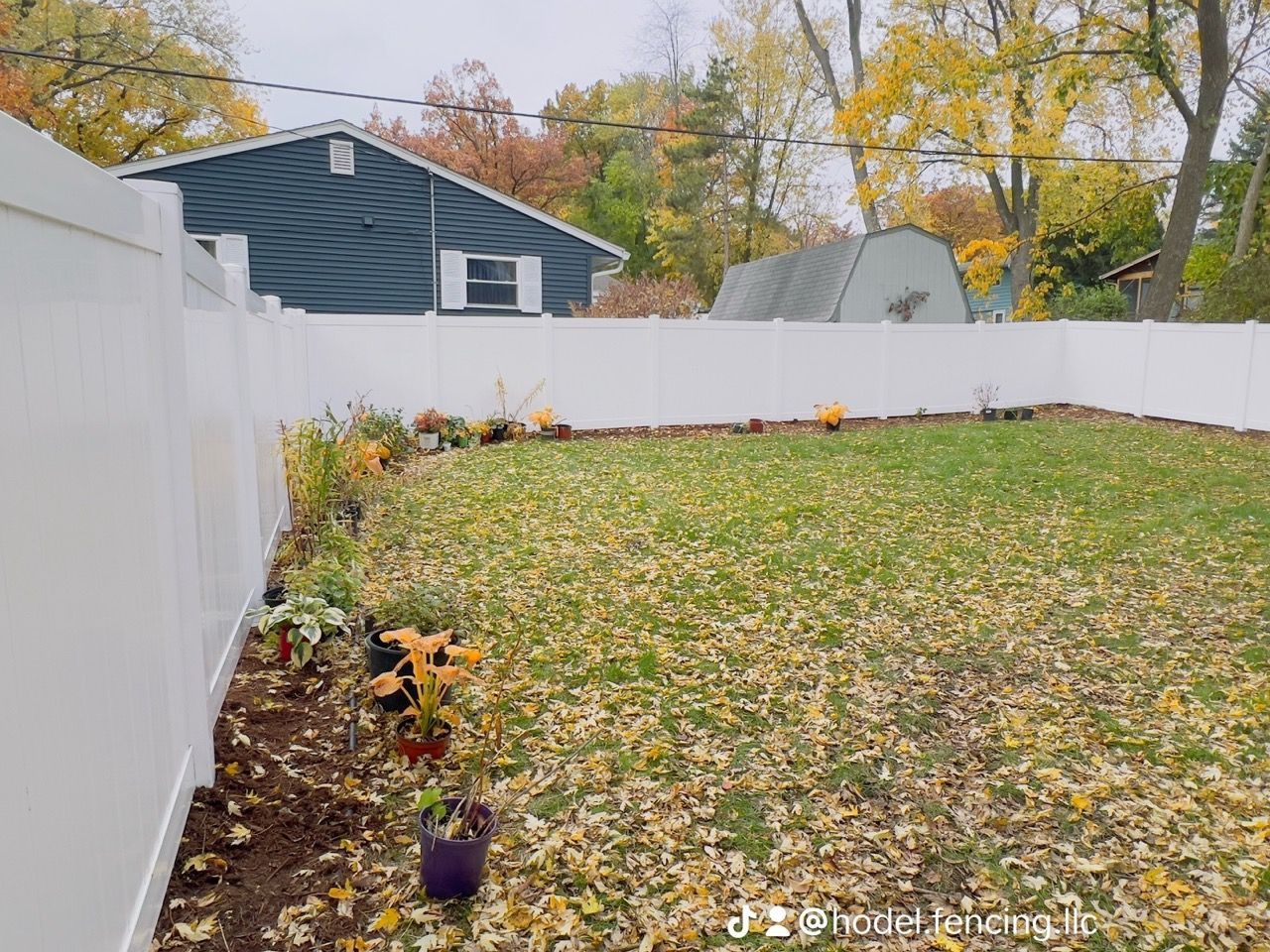
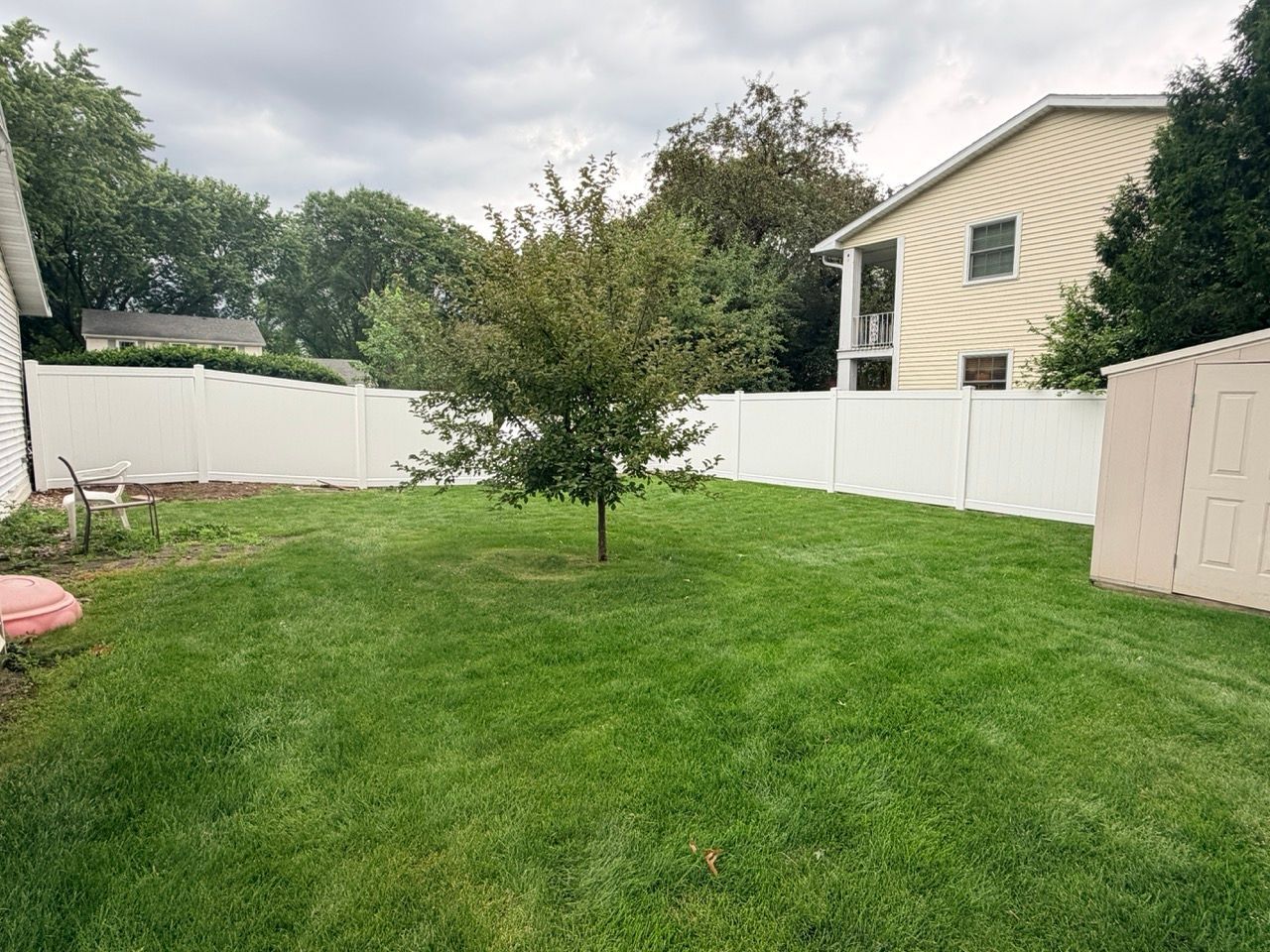
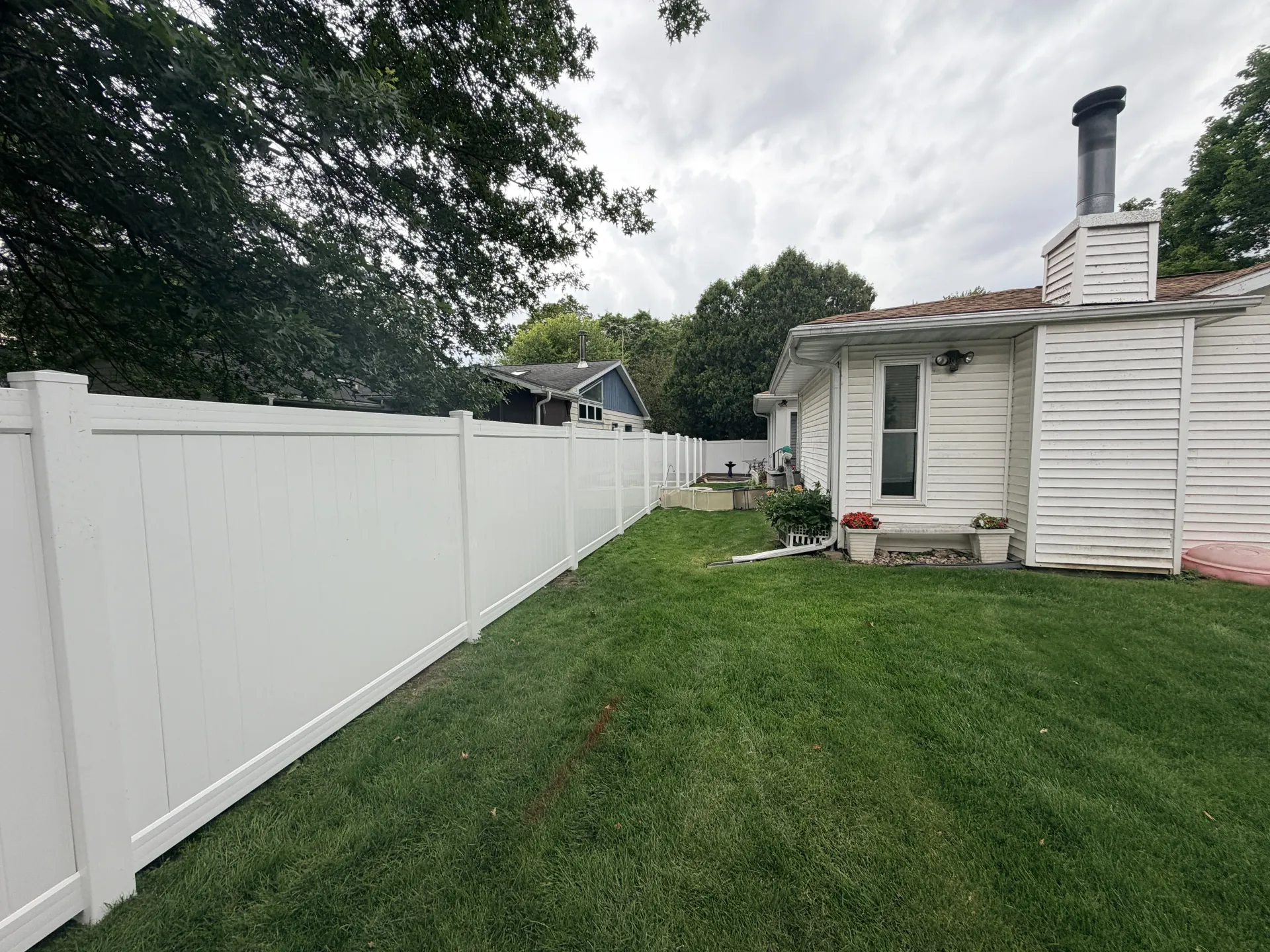
Answers to Frequent Service Questions
Vinyl fencing questions typically center on durability, appearance longevity, and installation considerations specific to local conditions.
How does vinyl hold up in Wisconsin winters?
Vinyl remains structurally sound in cold temperatures but becomes more brittle, meaning impacts that would bounce off in summer can crack panels when temperatures drop below freezing.
What's involved in preparing the fence line?
The installation area needs to be cleared of vegetation and debris, and the ground must be level enough that posts can be set at consistent depths without cutting panels to accommodate slope.
How long does vinyl fencing last compared to wood?
Vinyl typically lasts twenty-five to thirty years without needing component replacement, assuming posts were set correctly and the system wasn't damaged by impact or improper installation.
Why do some vinyl fences yellow or fade over time?
Lower-grade vinyl uses fillers that degrade under UV exposure, while higher-grade materials include stabilizers that resist color shift even after years of sun exposure in Dane County.
When is the best time to install vinyl fencing?
Installation works well from late spring through fall when ground conditions allow for proper post setting and concrete curing without frost interference.
Hodel Fencing installs vinyl fencing with attention to post alignment, panel fit, and gate operation that lasts beyond the first season. Schedule a property assessment to review your fence line layout and material options.